Homes across Lodi were often built with panels that had room for lights and a refrigerator, not much else, and homeowners now notice breakers that will not reset or outlets that feel warm. A electrical contractor in Stockton network of local electricians handles this daily, alongside professional electrical panel upgrade work when a panel has run out of room.
That combination of age and added demand is why homeowners here call someone who already knows these houses, not a general tradesperson.
Why Local Wiring Knowledge Matters in Lodi
A local electrician recognizes the difference between a panel that was upgraded decades ago and one still running its original wiring, because in Lodi both are common and each calls for a different starting point.
Two kinds of work come up again and again: correcting old two-prong outlets that lack a ground path, and adding circuits for kitchens and bathrooms that were never given enough. Homeowners near electrical contractor in Galt, CA run into the same patterns.
A flickering light or a breaker that trips without cause is worth a look before it becomes bigger.
Matching the Work to How Lodi Homes Are Built
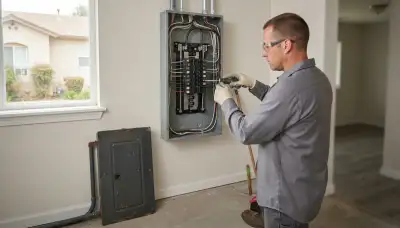
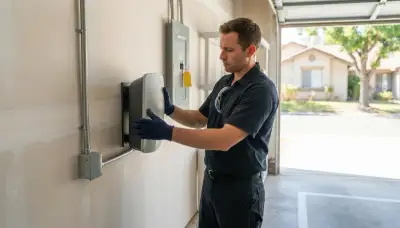
A one-size approach fails here because a house with a crawlspace and a house on a slab call for different routes to run new wire, and a panel in a garage is reached differently than one on an exterior wall.
Detached homes with a garage or workshop often need dedicated circuits run a long distance from the panel, while older homes with the panel tucked in a utility closet need careful planning around tight access. For layered yard lighting, a reliable landscape lighting design fits well.
Four services fit these homes especially well: expert electrical panel upgrade work for aging services, quality GFCI circuits installation near sinks and garages, specialists in whole home surge protection for sensitive electronics, and professional ceiling fan installation for rooms that run warm.
What the Age of Lodi Homes Still Decides
Many Lodi homes went up in the years just after the Second World War through the early 1960s, when panels were sized for a stove and a few lights, not central air, a dishwasher, and a garage full of tools. That original sizing still shapes what a house can safely run today, what its outlets look like, and how many circuits exist for daily use.
Panel Runs Out of Room
A panel with no empty slots left, or one still using fuses instead of breakers, cannot take on a new circuit without a fight. Homeowners notice a fuse that blows repeatedly or a breaker box that simply has nowhere left to add anything, and the workaround is usually an extension cord doing a permanent job.
Local electricians correct this by replacing the panel with one sized for actual present-day use, not the smaller load it was built for. Homeowners near electrical contractor in Manteca, CA see the same fix applied often.
Outlets With No Ground Path
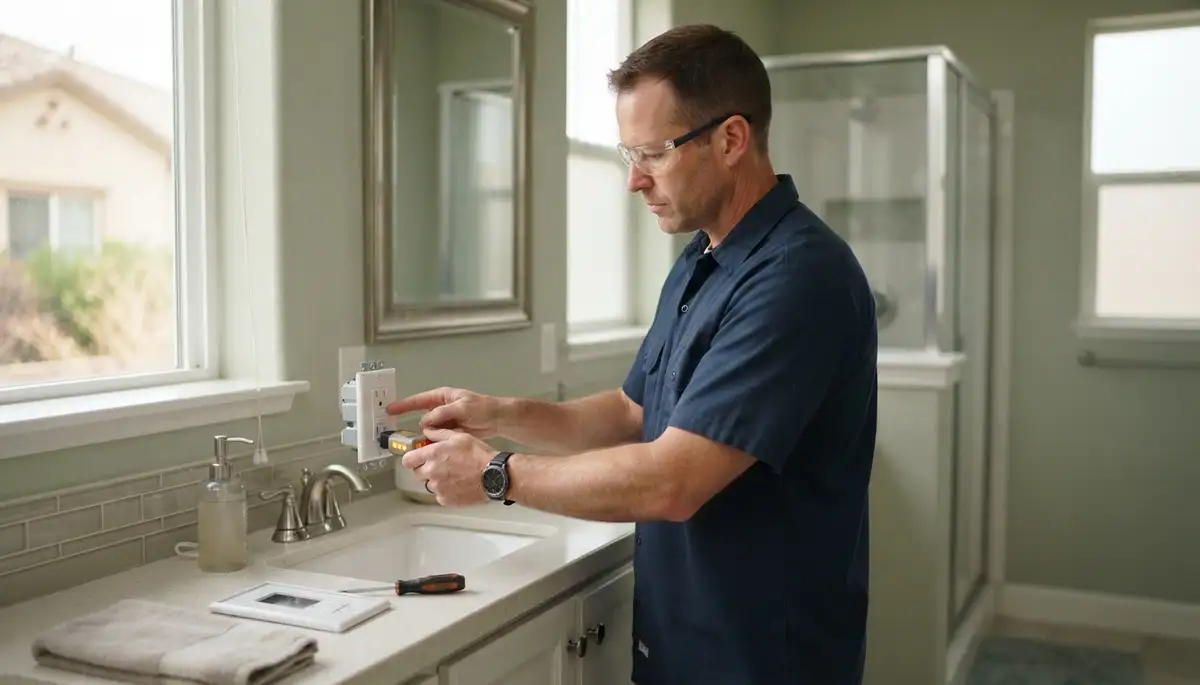
Two-prong outlets and a bathroom or kitchen with no reset button nearby point to wiring installed before grounding and GFCI protection were required. Anything plugged in without a ground path adds risk, especially near water or metal fixtures.
The fix is running a proper ground path and adding outlets with test and reset buttons where they matter most. Afterward, the same outlets that once carried risk quietly protect the people using them.
Warm Outlets and Flickering Lights
Outlets that feel warm to the touch, or lights that dim when something else on the same circuit turns on, often trace back to aluminum wiring used commonly in homes built in the late 1960s and early 1970s. Left alone, connections loosen further and heat builds where it should not.
Correcting it means addressing the connections directly so they stop loosening, which improves both the reliability of the circuit and the safety of everything plugged into it.
A Panel Asked to Do More
A car charger, a pool pump, or new air conditioning added to a house means real demand on a panel that was never sized to carry it, and heat only makes that demand heavier during the hottest stretches. The panel that handled the original house does not automatically handle what came after.
Adding capacity, through a larger panel or dedicated circuits for the new load, lets a homeowner run a charger, a pump, and the air conditioning together without watching for a tripped breaker every time.
Tight Access Complicates the Job
A panel in a garage corner, a crawlspace instead of a basement, or a narrow side yard between homes all change how a crew reaches the point where work needs to happen, sometimes turning a simple task into a longer one.
Local electricians plan the route before opening anything, working through the shortest practical path so walls and ceilings stay closed wherever possible and the disruption to the household stays minimal.
A no-pressure visit from a local electrician can settle what your panel and wiring actually need. Call (209) 210-4342 to set up a time that works for your household.
On Call Electrical backs its work with electricians who know these houses well.

The Full Range of Electrical Work Available in Lodi, CA
Below is the range of work local electricians handle regularly, organized so it is easy to find what matches your situation.
Urgent Electrical Repair Needs in Lodi, CA
A breaker that will not reset no matter how many times it is flipped. An outlet that sparks or smells faintly burnt when something is plugged in. Lights that flicker across the whole house rather than one room. A fuse box still running actual fuses instead of breakers. A circuit that trips the moment two appliances run together.
Any of these is worth addressing before it turns into a bigger repair or an outage.
Panel and Wiring Upgrades for Lodi, CA
A panel upgrade for a house still running on 60 to 100 amp service. New circuit wiring added for a kitchen or bathroom remodel. Rewiring sections of a house that still carry original wiring from decades ago. A dedicated circuit added for a workshop or garage. Service upgrades sized for what the home actually uses now.
These jobs matter because the wiring behind the walls in many of these homes was sized for a much smaller household than the one living there today.
Safety and Protection Work for Lodi Homes
Grounding added where two-prong outlets still exist. Outlets with test and reset buttons installed near sinks, tubs, and garages. Smoke detector installation updated to current placement and interconnection. Whole home surge protection to guard electronics from spikes. Fire alarm installation for homes that have gone years without an update.
Each of these addresses a risk that is easy to overlook until something goes wrong: a shock from an ungrounded outlet, a fire that starts in a wall no one is watching, or a surge that takes out every electronic device in the house at once.
Lighting, Outdoor, and Added-Load Work in Lodi
Recessed lighting installation for rooms that need better coverage. Landscape lighting for walkways and yards. Electric car charger installation for a garage that was never wired for one. Ceiling fan installation for bedrooms and living spaces that run warm. Pool pump wiring for outdoor equipment added after the house was built.
These jobs reflect what many Lodi homes are being asked to carry now, well beyond what their original wiring and panels were ever designed to support.